Why Abstract, Vibrant Backgrounds Are Essential for Modern Creative Projects
In a world saturated with visual content, standing out requires more than just a good idea. It demands tools that are versatile, striking, and immediately engaging. Abstract, vibrant backgrounds have quietly become a cornerstone of modern design, offering creators, marketers, and entrepreneurs a way to inject energy and personality into their projects without starting from scratch. Whether you are designing a greeting card for a client, building a brand presentation, or simply refreshing your personal workspace, these digital papers provide a foundation that is both flexible and visually compelling.
The appeal lies in the combination of abstraction and color. Abstract designs avoid the literal, allowing viewers to project their own interpretations onto the image. This makes them suitable for a wide range of audiences and contexts. Vibrant colors, meanwhile, capture attention and evoke emotion. Together, they create backgrounds that are not just backdrops but active elements that enhance the overall message of your work.
The Rising Demand for Ready-to-Use Digital Assets
Over the past few years, there has been a noticeable shift in how professionals and hobbyists approach design. The era of spending hours building every graphic from scratch is giving way to smarter workflows. Stock assets, especially high-quality digital papers, have become essential tools for anyone who needs to produce polished work quickly. This change is driven by several factors: the growth of remote work, the explosion of content marketing, and the rise of side hustles where individuals wear multiple hats.
Bloggers, for instance, need eye-catching featured images for their posts. Small business owners require consistent branding for social media and printed materials. Educators creating worksheets or visual aids want materials that look professional without requiring advanced graphic design skills. Abstract, vibrant backgrounds meet all these needs. They eliminate the blank-page problem and provide a starting point that already looks good.
Furthermore, the file specifications of this particular collection reflect what the market now expects. 3000px by 2250px at 300 DPI means these images are print-ready for a variety of formats. Whether you are creating a poster for a local event or a phone case for an online store, the resolution holds up. This shifts the user from worrying about technical constraints to focusing on creativity and application.
How Vibrant, Abstract Designs Fit Into Changing Visual Trends
Visual trends have moved away from overly minimalist and muted palettes in recent years. There is a growing appetite for color that feels intentional and alive. This is partly a reaction to the digital fatigue many people experience after staring at screens all day. Vibrant backgrounds, when used thoughtfully, can re-engage attention and create a sense of warmth or excitement.
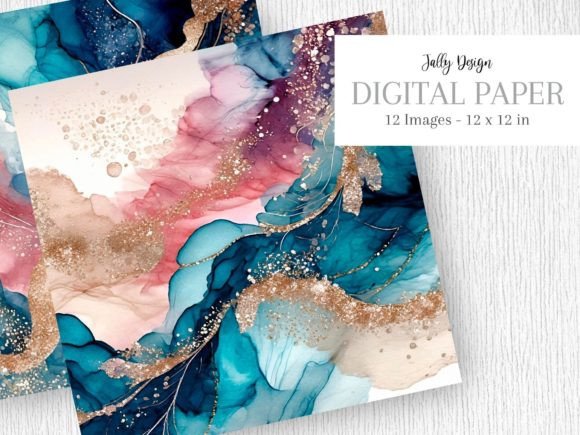
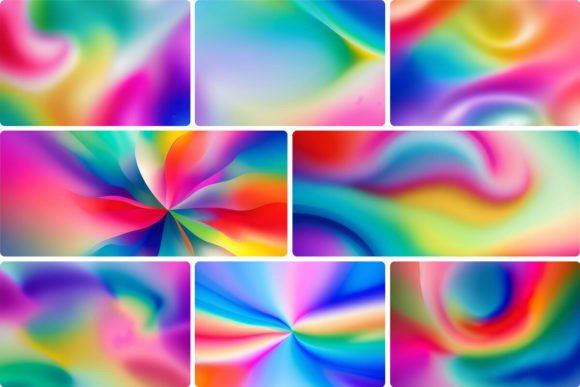
Abstract patterns, in particular, align well with contemporary aesthetics because they feel modern without being cold. They can be organic, geometric, or fluid, offering variety within a single collection. When you open a zip file containing eight different digital papers, you are essentially getting a mini-library of moods and styles. One paper might lean toward energetic oranges and yellows, while another might use deep blues and magentas. This range allows you to match the background to the purpose: a calm, inspiring wallpaper for a wellness blog, or a bold, celebratory pattern for a birthday card.
These backgrounds also complement the current emphasis on authenticity in branding. Instead of using generic, overly polished stock photos, creators are turning to abstract designs that feel unique and artistic. They signal that the creator values aesthetics and has put thought into the visual experience. This is especially important for small brands and freelancers who compete with larger companies. A carefully chosen background can elevate a simple quote graphic or a product listing, making it look curated rather than rushed.
Practical Applications Across Everyday Projects
One of the strongest arguments for investing in a versatile set of digital papers is the sheer number of ways they can be used. The phrase you can use these images for greeting cards, journal covers, phone cases and wallpapers, posters, web backgrounds, or use them in other templates or designs is not just marketing language. It reflects genuine flexibility that saves time and money.
Consider an entrepreneur launching a line of phone cases. Instead of commissioning custom artwork for each design, they can start with high-quality vibrant backgrounds and overlay simple text or graphics. This approach speeds up production and allows for quick testing of different color combinations in the market. Similarly, a freelance graphic designer working on multiple client projects can use these papers as base textures, blending them with other elements to create layered compositions that feel original.
For personal projects, the value is just as high. Journaling has seen a renaissance among adults looking for analog outlets in a digital world. A vibrant abstract cover can transform a plain notebook into a personal statement. Greeting cards made with these backgrounds feel intentional and artistic, which recipients notice. Even something as simple as updating your phone wallpaper to a bright, abstract design can subtly improve your daily mood.
Marketing professionals and social media managers will find these backgrounds particularly useful for creating consistent visual themes. A set of papers with a cohesive color story can be used across Instagram posts, story backgrounds, email headers, and even printed flyers. This consistency builds brand recognition without requiring a redesign every time you switch platforms.
Why Quality Specifications Matter for Your Work
When you receive a digital product, the specifications listed are not just numbers on a page. They directly impact what you can do with the files. 3000px by 2250px gives you enough resolution for most standard print sizes up to about 10 inches by 7.5 inches at full quality. This covers greeting cards, journal covers, posters, and many other physical products. The 300 DPI (dots per inch) rating is the industry standard for print, ensuring that your final output is sharp and professional rather than pixelated or blurry.
The JPG file format is widely compatible and manageable in file size, which makes it easy to use across different software and devices. Whether you are working in Adobe Photoshop, Canva, Procreate, or even a simple word processor, you can insert these backgrounds without conversion hassles. This accessibility is a key reason why digital papers have become a go-to resource for creators at every skill level.
Receiving a single zip file containing eight papers means you have variety without clutter. You can keep the collection organized on your computer or cloud storage and access the files whenever inspiration strikes. For professionals juggling multiple projects, this kind of organized asset library is invaluable.
Recommendations for Getting the Most Out of Your Digital Papers
To truly maximize the value of these vibrant backgrounds, consider how they fit into your existing workflow. First, explore each paper in the collection before planning a project. Notice how the colors interact and what mood each one evokes. Some papers may be better suited for bold, statement-making designs, while others work beautifully as subtle textures behind text.
Second, think about layering. These backgrounds do not have to be used in isolation. You can overlay them with transparent shapes, blend modes, or gradient masks to create entirely new looks. For example, placing a semi-transparent white rectangle over part of the background can create a clean area for text while keeping the vibrant edges visible. This technique is especially useful for posters, web headers, and social media graphics.
Third, maintain consistency by pulling colors from the background into your other design elements. If a paper contains shades of teal and coral, use those exact colors for your fonts, icons, or borders. This creates a harmonious visual that feels professionally coordinated.
Finally, do not overlook personal use. In a time when digital environments dominate our work and leisure, curating your own space matters. Set one of these papers as your desktop or phone wallpaper. Use a different one for a Zoom background. These small touches can make your digital life feel more intentional and inspiring.
Meeting Modern Expectations for Digital Products
As consumers become more discerning about digital products, the bar for quality continues to rise. People expect files that are ready to use, clearly described, and delivered in a standard format. The inclusion of eight distinct papers, precise dimensions, and a universal file type reflects an understanding of what users actually need. It acknowledges that creativity should not be hindered by technical limitations or insufficient variety.
For businesses and creators who sell physical or digital goods, using professional backgrounds like these signals reliability to customers. It shows that the end product is built on a foundation of quality. For hobbyists and educators, it removes barriers to entry, allowing them to produce results that look far more advanced than their skill level might suggest. That is the quiet power of a well-designed resource: it makes everyone look their best.
The world of design is not slowing down. Content demands are higher than ever, and the tools we use need to keep pace. Abstract, vibrant backgrounds are not just a passing trend. They represent a practical response to the way people work, create, and communicate today. Whether your next project is a greeting card for a friend, a poster for a community event, or a full brand refresh, starting with strong digital papers sets you on the right path. And when you can rely on something that is already beautiful, high-resolution, and ready to go, the only thing left to do is create something memorable.